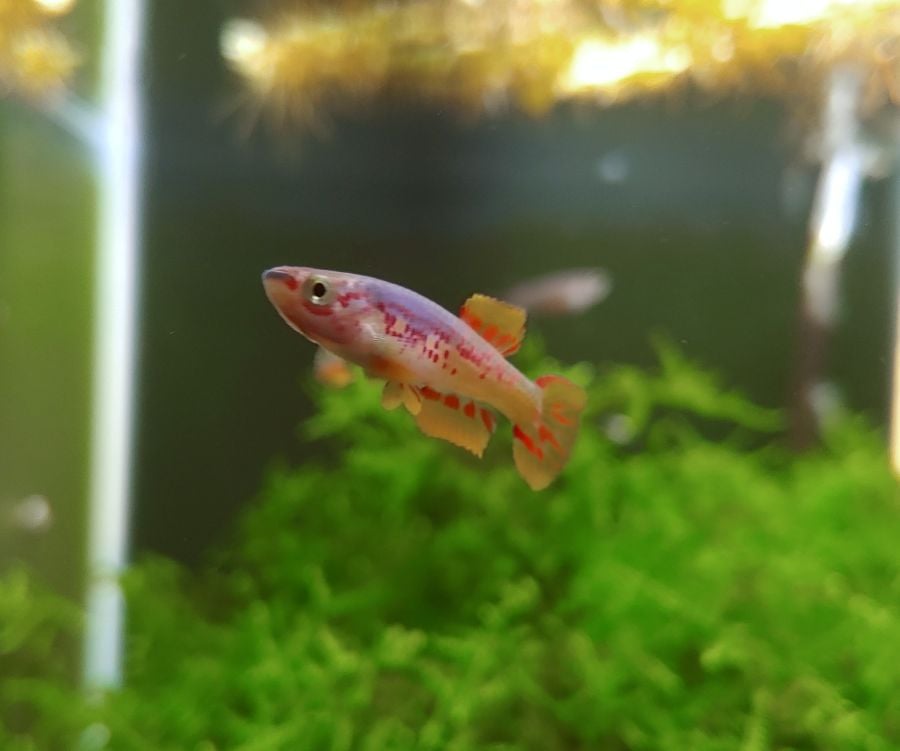
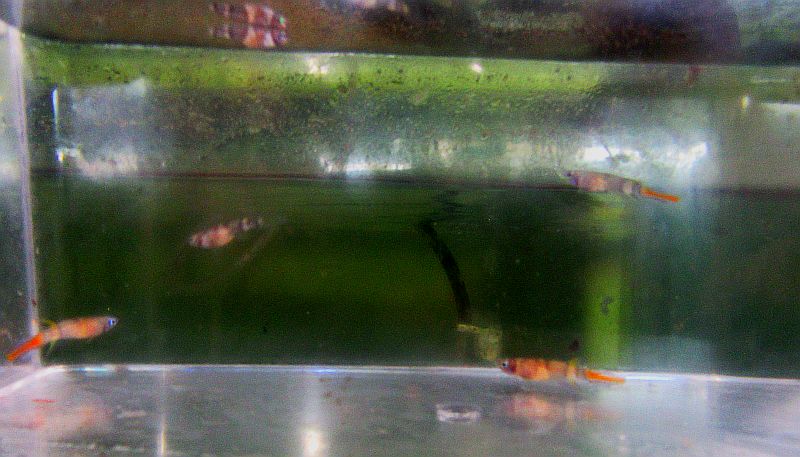
Up for auction is a young group of Aphyosemion Cofe 10/23. You'll get 4 males and 2 females. I find these little beauties to be undemanding and very sociable. They eat anything I put in the tank but I
mostly feed Dr. B’s pellets with some live BBS and Grindals from time to
time. Breeding is fairly simple in my
experience. Chances are you will see fry
popping up in the main tank if it’s heavily planted (moss is your friend). The parents pay the fry little mind in my observatio...
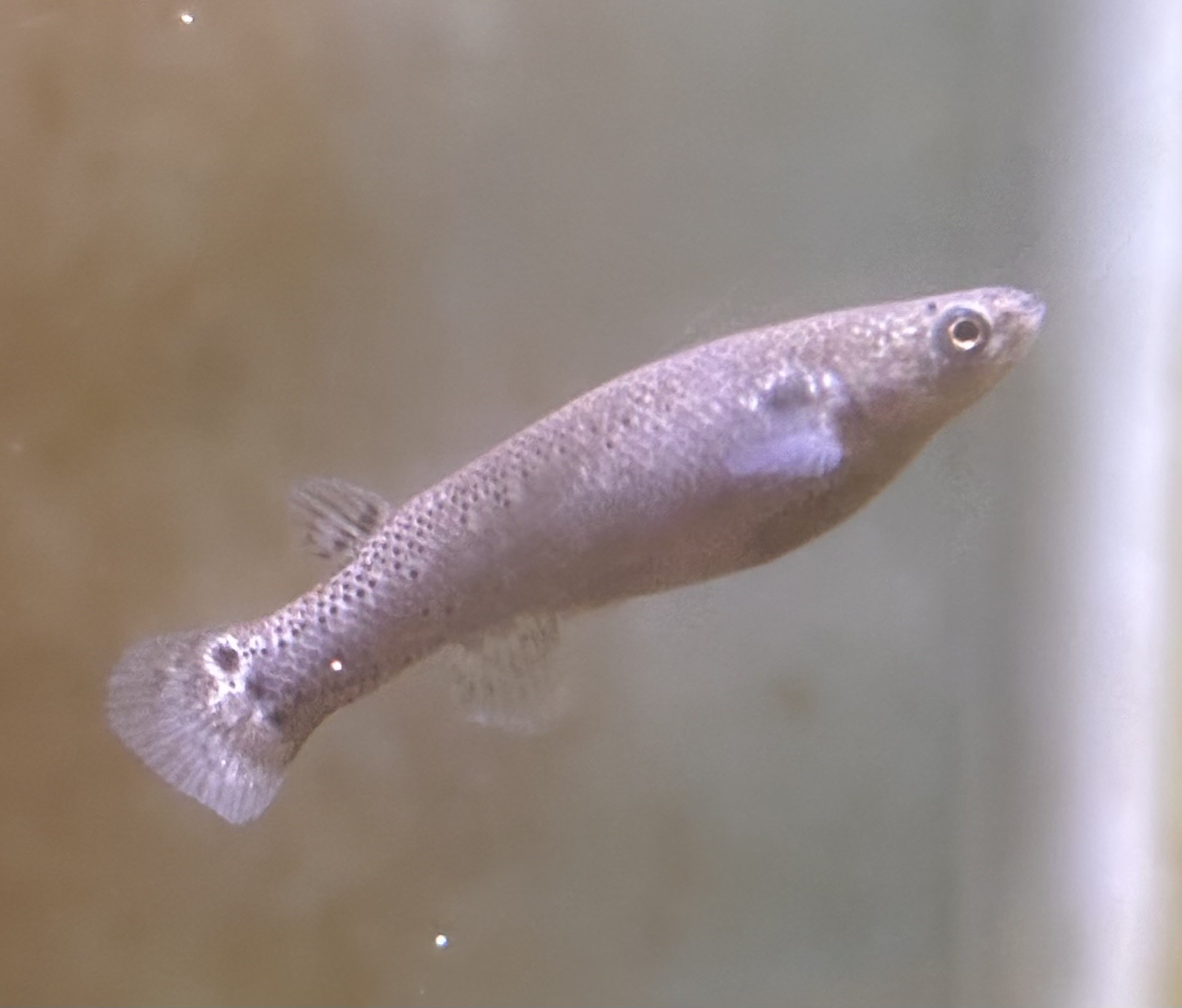
You are bidding on 2 Kryptolebias marmoratus bonairensis Lac Bay, Bonaire Jan 2014 (Site location 12°06'37.7"N 068°13'02.4"W). These fish are around 1". This is a self-fertilizing fish, so really one fish is like having a pair. I have kept them at a salinity between 1.005-1.026. Currently I keep the fish in 2 tablespoons of instant ocean salt per gallon of water. They can survive in freshwater, but I recommend keeping them in water with marine aquarium salt (I use Instant Ocean)...
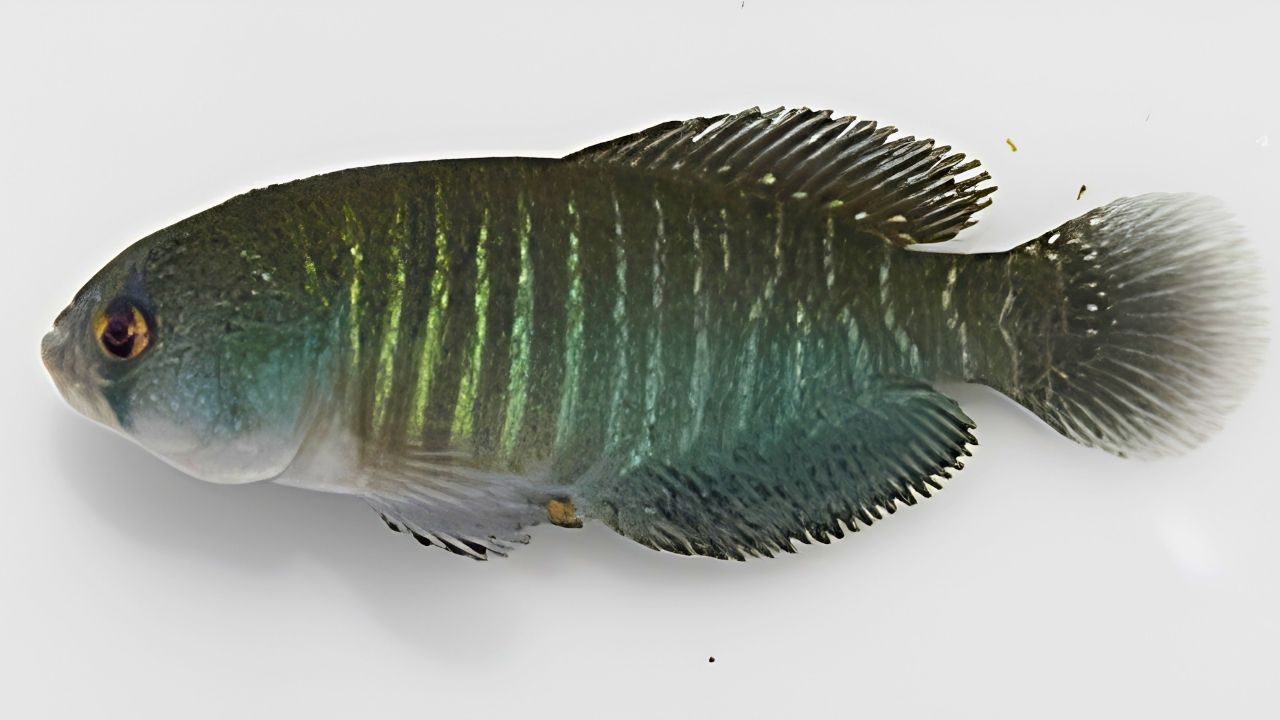
A living sprinter: Males wear dark olive crossed with pale cream bars and iridescent-spotted fins.Austrolebias melanoorus URU 25-13 Rio TacuarembóWild-descended F1 pair (first generation bred from wild-caught parents), collected at [locality], Uruguay.Care: Annual species. Spawns in peat, eggs incubate 1 to 2 months at 70º. Fish room kept at 68-70º. Water TDS averages 100.A note on your fish: you're receiving a healthy young pair, just starting to color up rather than full-grown adults. Becau...
The classic "pearlfish" of the Argentine pampas: velvety steel-blue males studded with rows of pale, pearly spots. One of the hardier, more cold-tolerant annual killifish you can keep.Wild-descended F1 pair (first generation bred from wild-caught parents), collected at Rio Negro, Uruguay. Care: Annual species. Spawns in peat, eggs incubate 1 to 2 months at 70º. Fish room kept at 68-70º. Water TDS averages 100.A note on your fish: you're receiving a healthy young pair, just starting to color u...
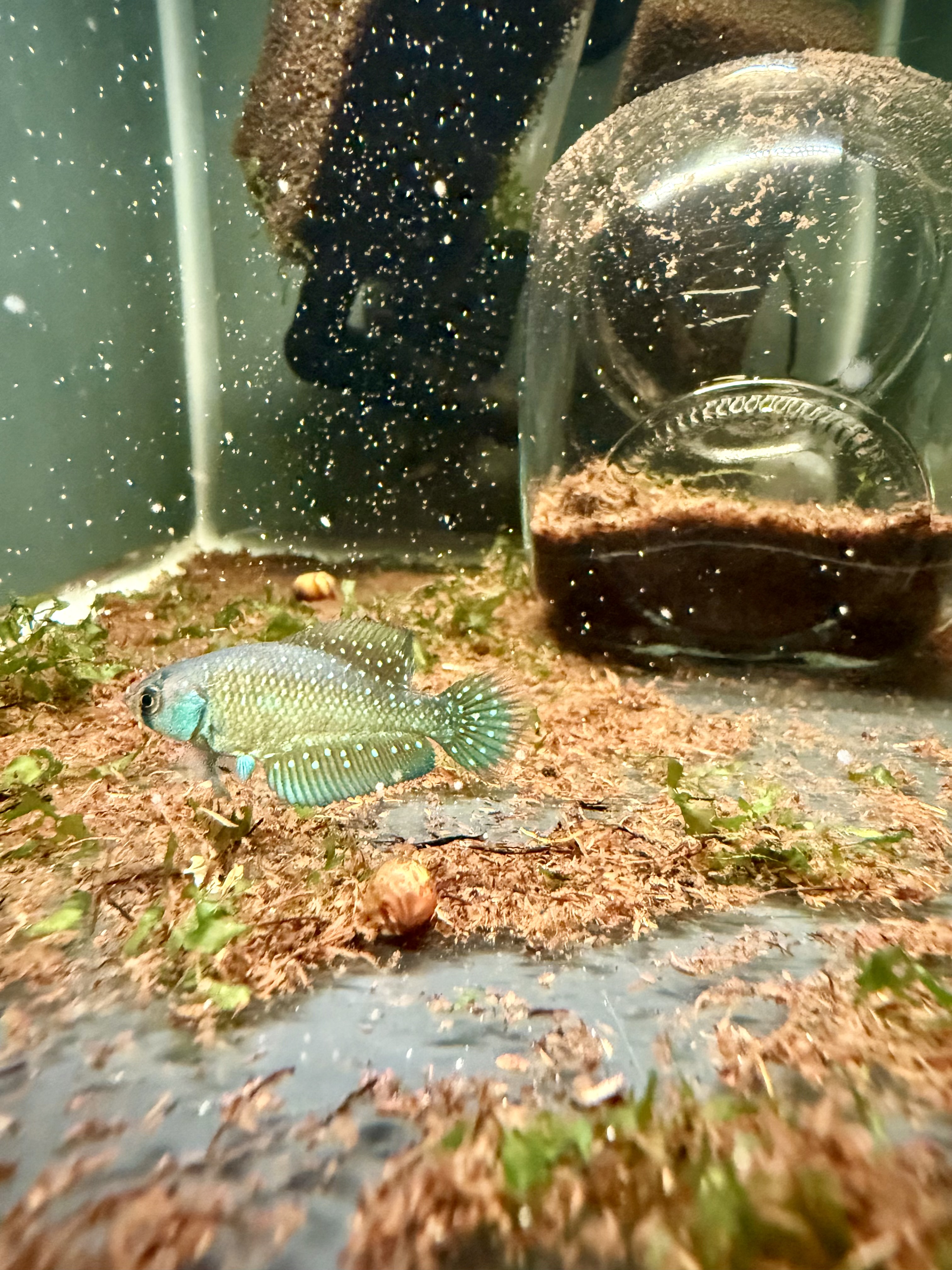
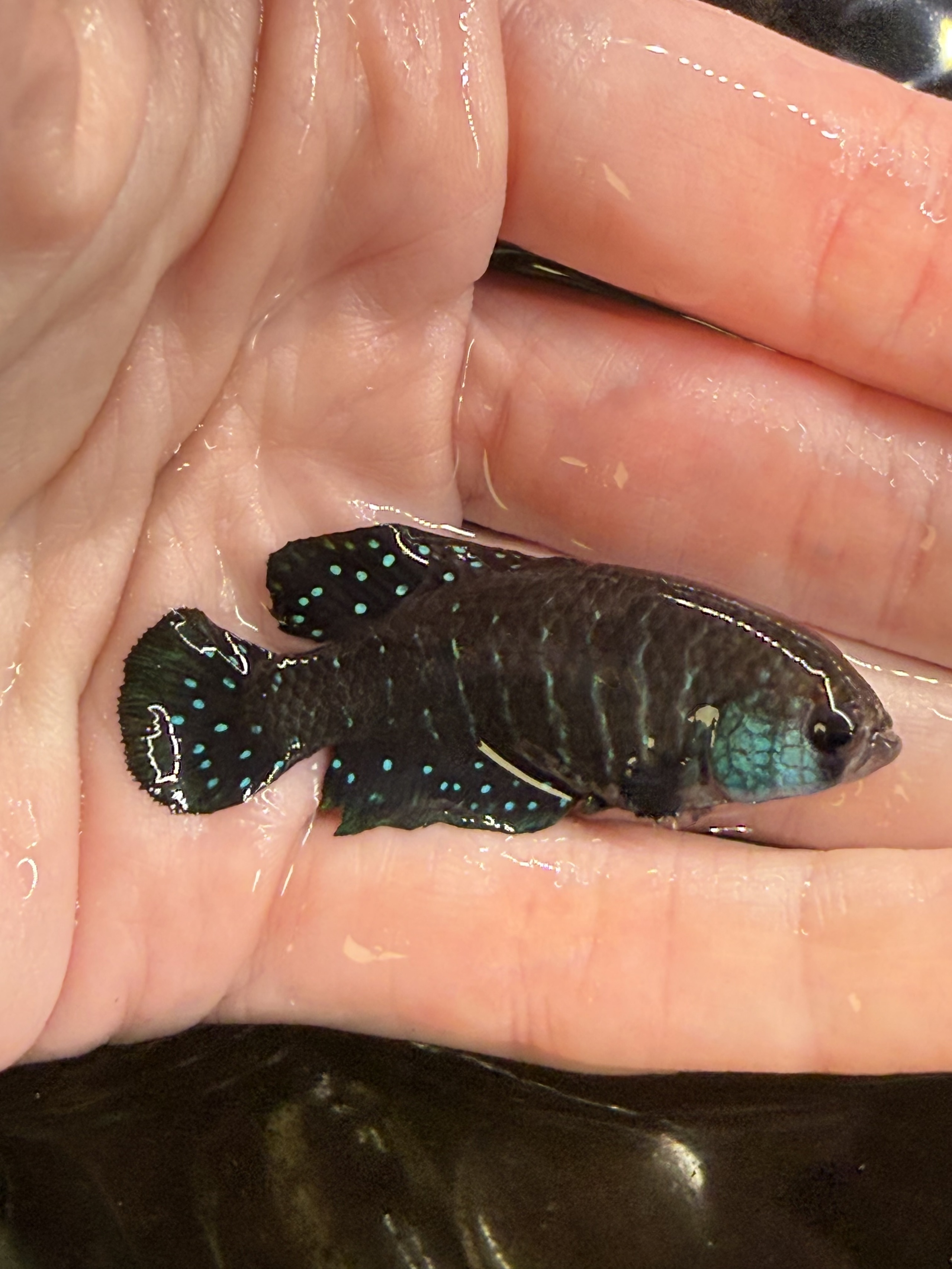
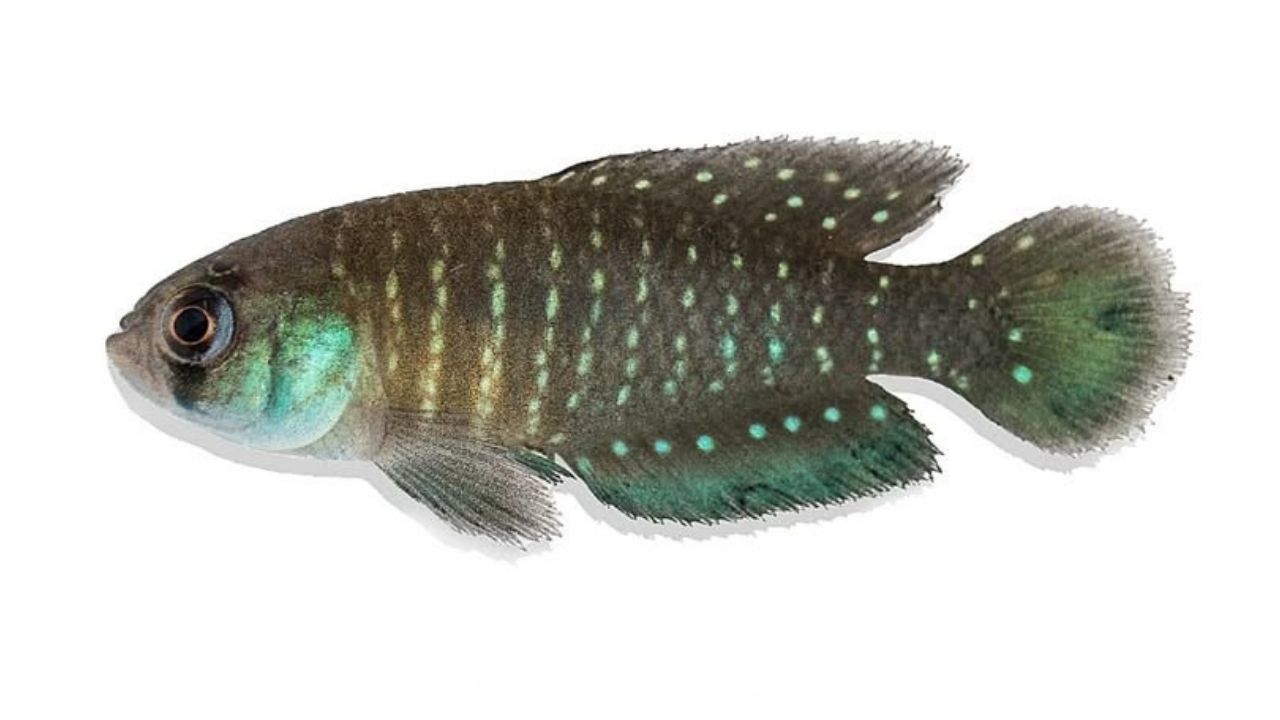
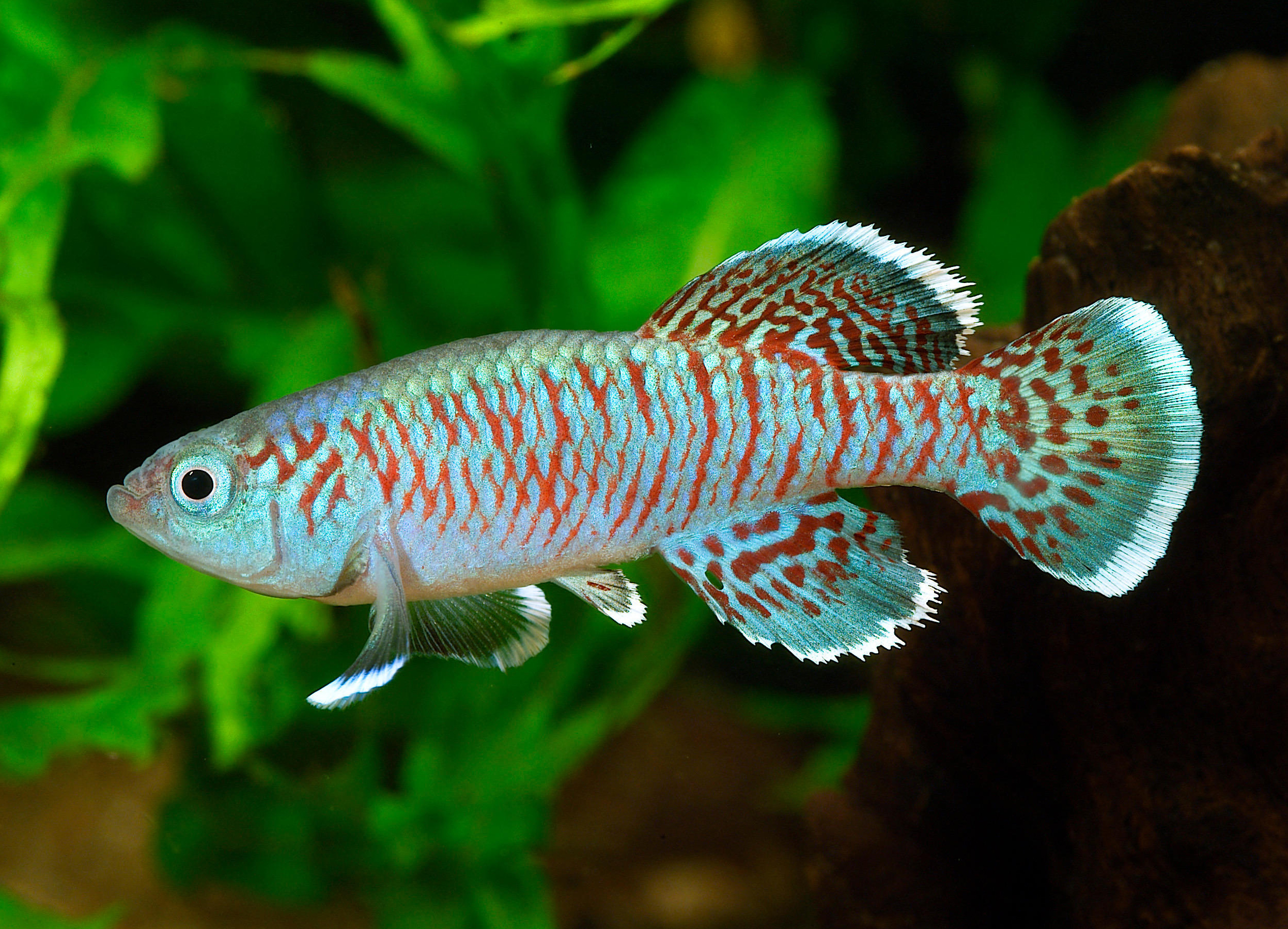
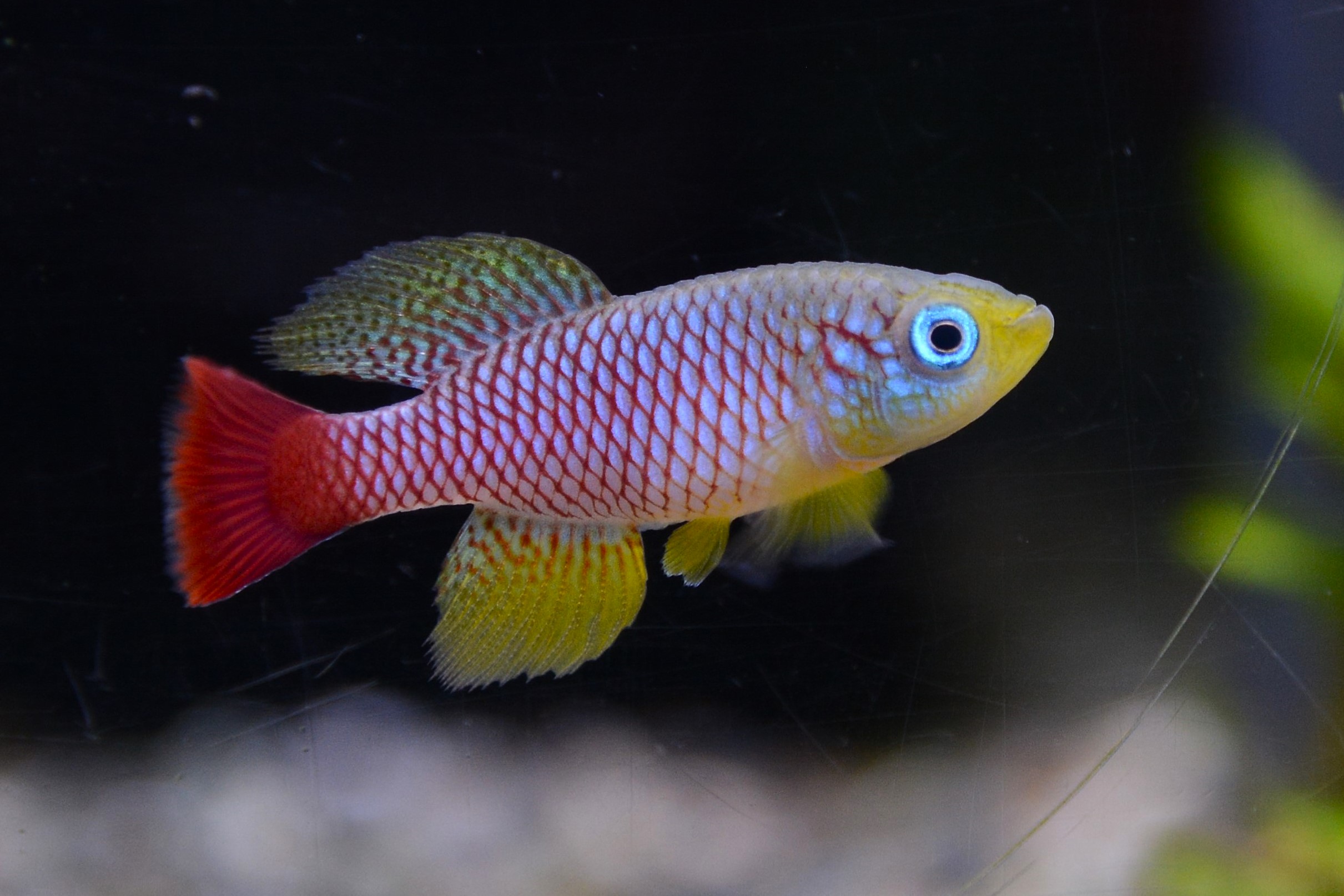
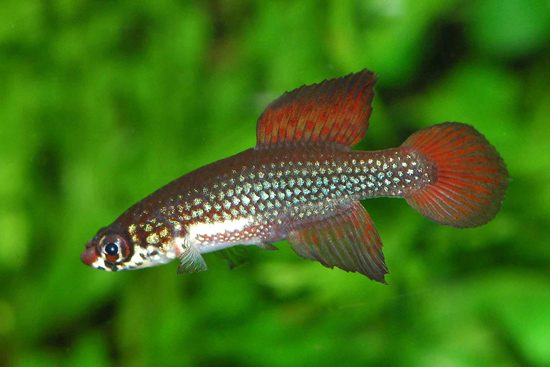
3-Pack of Uruguayan South American Annual Killifish!!1 pair: Matilebias alexandri [aka The Dusky Pearlfish]: bright blue iridescence on a wild-line Uruguayan annual.1 pair: Garcialebias Charrua: a jewel-toned annual named after Uruguay's fiercest people.1 pair: Matilebias juanlangi: a fast-living jewel of the Uruguayan pampas.Wild-descended F1 pair (first generation bred from wild-caught parents), personally collected in Uruguay.Care: Annual species. Spawns in peat, eggs incubate 1 to 2 months...
*** Buy 2 Pairs – GET 1 FREE ***Matilebias juanlangi: a wild-line annual killifish from the wetlands of Uruguay.Wild-descended F1 pair (first generation bred from wild-caught parents), collected at Paso De La Cruz, Uruguay.A seasonal annual endemic to Uruguay's Neotropical wetlands, where its shallow pampa pools dry out each year. Its wild habitat is shrinking fast, which makes captive-bred fish like these valuable.Care: Annual species. Spawns in peat, eggs incubate 1 to 2 months.A note on y...
*** Buy 2 Pairs – GET 1 FREE ***A rare hometown annual from the pools around Durazno, Uruguay.Wild-descended F1 pair (first generation bred from wild-caught parents), collected at Rio Negro, Uruguay.Named for its home city of Durazno, this little annual is endemic to a scattering of seasonal pools in Uruguay's Rio Negro region. It is a genuine rarity in the U.S. hobby, so every captive-bred pair helps keep the line going.Care: Annual species. Spawns in peat, eggs incubate 1 to 2 months.A note ...
The Dusky Pearlfish: bright blue iridescence on a wild-line Uruguayan annual.Wild-descended F1 pair (first generation bred from wild-caught parents), collected at Rio Negro, Uruguay.A pampa-pool annual from the Rio Negro region, prized for its glowing blue sheen and fine spotting.Care: Annual species. Spawns in peat, eggs incubate 1 to 2 months at 70º. Fish room kept at 68-70º. Water TDS averages 100.A note on your fish: you're receiving a healthy young pair, just starting to color up rather ...
The Fighting Gaucho: a jeweled annual of coastal southeastern wetlands.Wild-descended F1 pair (first generation bred from wild-caught parents), collected at Ruta 9 Capacho, Uruguay.The nickname says it all. Gauchos are the legendary horsemen of the South American pampas, tough, proud, and bold. The males of this species live up to it, flaring their fins and jostling to rule their patch of a shrinking seasonal pool. Care: Annual species. Spawns in peat, eggs incubate 1 to 2 months.A note on you...
*** BUY 1 PAIR GET 2nd PAIR 50% OFF ***The Fighting Gaucho: a jeweled annual of coastal southeastern wetlands.Wild-descended F1 pair (first generation bred from wild-caught parents), collected at Ruta 9 Capacho, Uruguay.The nickname says it all. Gauchos are the legendary horsemen of the South American pampas, tough, proud, and bold. The males of this species live up to it, flaring their fins and jostling to rule their patch of a shrinking seasonal pool. Care: Annual species. Spawns in peat, ...
$67.50USD
A D V E R T I S E M E N T
Nuestra página web utiliza cookies. Al continuar, usted acepta el uso de cookies en su dispositivo, a menos que usted los ha deshabilitado de su navegador.

![Uruguay Annual Killifish 3-Pack [alexandri + charrua + juanlangi]](https://www.aquabid.com/uploads/MatilebiasalexanderiURU25-01RioNegroin-hand-(2).jpg)

.jpg)