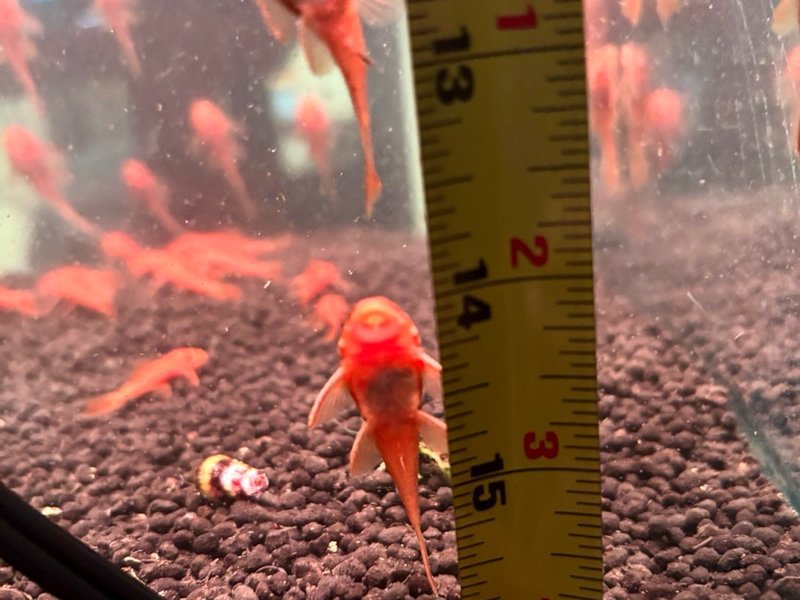
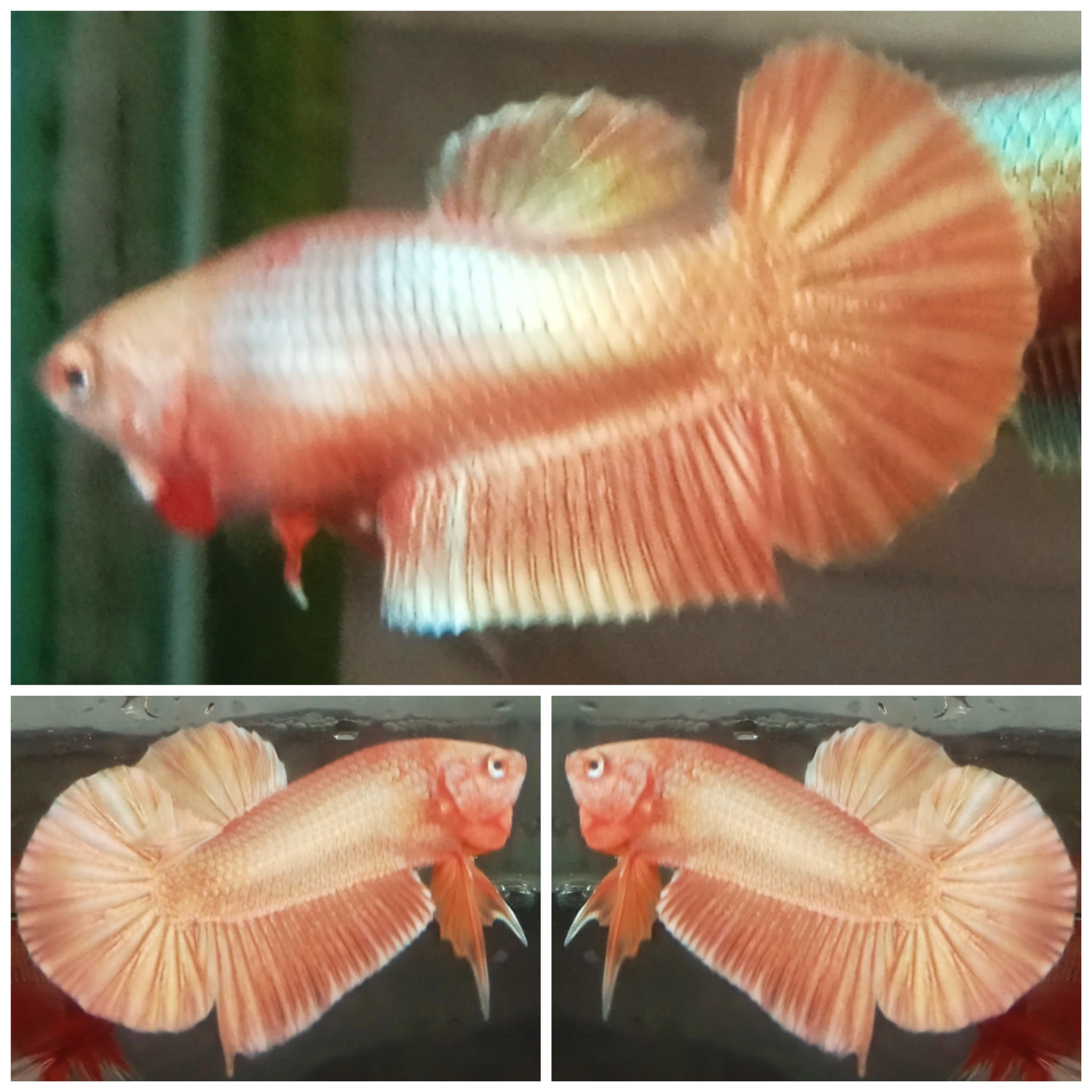
SUPER RED BRISTLENOSE PLECO (Ancistrus sp. "Super Red") — Manhattan Tank-Bred JuvenilesHand-raised in Manhattan from multi-generational bloodlines. Born, raised, and grown out in dedicated breeding tanks here in NYC. Every fish is healthy, eating aggressively, and showing strong red-orange coloration that will only intensify with age.WHAT YOU'RE GETTING:Size: 1.5" to 2" (juvenile, unsexed) — see tape measure photo for scaleType: Short-fin Super Red BristlenoseOrigin: Tank-bred Manhattan, F1+...
SUPER RED BRISTLENOSE PLECO (Ancistrus sp. "Super Red") — Manhattan Tank-Bred JuvenilesHand-raised in Manhattan from multi-generational bloodlines. Born, raised, and grown out in dedicated breeding tanks here in NYC. Every fish is healthy, eating aggressively, and showing strong red-orange coloration that will only intensify with age.WHAT YOU'RE GETTING:Size: 1.5" to 2" (juvenile, unsexed) — see tape measure photo for scaleType: Short-fin Super Red BristlenoseOrigin: Tank-bred Manhattan, F1+...
SUPER RED BRISTLENOSE PLECO (Ancistrus sp. "Super Red") — Manhattan Tank-Bred JuvenilesHand-raised in Manhattan from multi-generational bloodlines. Born, raised, and grown out in dedicated breeding tanks here in NYC. Every fish is healthy, eating aggressively, and showing strong red-orange coloration that will only intensify with age.WHAT YOU'RE GETTING:Size: 1.5" to 2" (juvenile, unsexed) — see tape measure photo for scaleType: Short-fin Super Red BristlenoseOrigin: Tank-bred Manhattan, F1+...
SUPER RED BRISTLENOSE PLECO (Ancistrus sp. "Super Red") — Manhattan Tank-Bred JuvenilesHand-raised in Manhattan from multi-generational bloodlines. Born, raised, and grown out in dedicated breeding tanks here in NYC. Every fish is healthy, eating aggressively, and showing strong red-orange coloration that will only intensify with age.WHAT YOU'RE GETTING:Size: 1.5" to 2" (juvenile, unsexed) — see tape measure photo for scaleType: Short-fin Super Red BristlenoseOrigin: Tank-bred Manhattan, F1+...
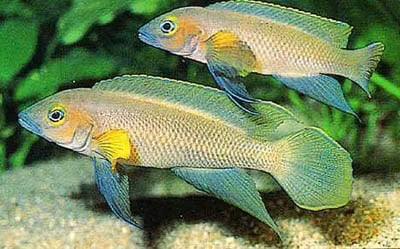
Up for sale is a Trio of Neolamprologus pectoralis - This extremely rare and unusual Lake Tanganyika cichlid is very difficult to find in the aquarium hobby, especially in a trio. It’s known for its oversized pectoral fins. The females show more of a yellow coloration throughout the bodies whereas the-males displayed more of a darker coloration, specially during courtship. This is truly a very nice show quality male that’s for sale and the females are showing beautiful coloration as well.Â...
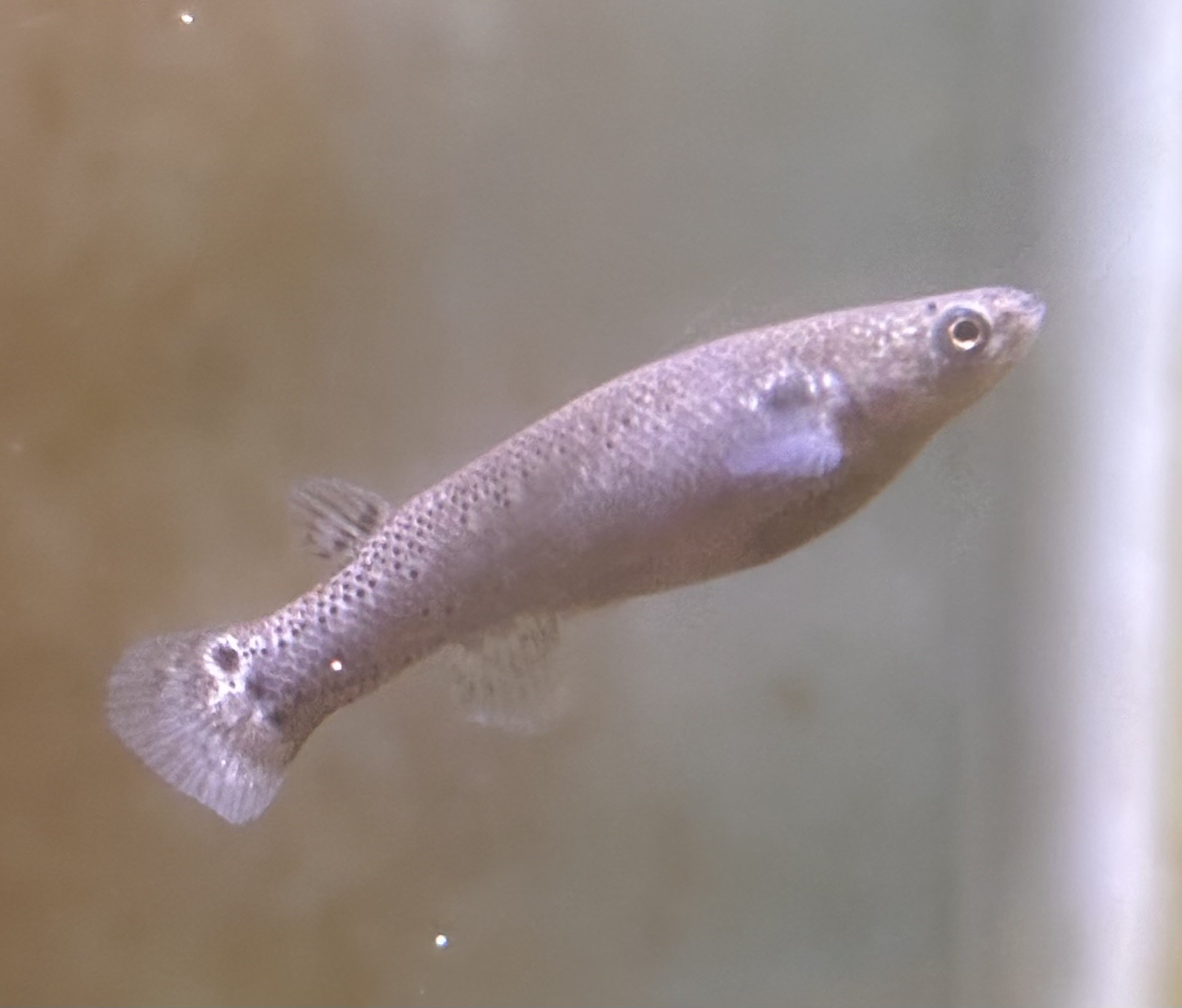
You are bidding on 2 Kryptolebias marmoratus bonairensis Lac Bay, Bonaire Jan 2014 (Site location 12°06'37.7"N 068°13'02.4"W). These fish are around 1". This is a self-fertilizing fish, so really one fish is like having a pair. I have kept them at a salinity between 1.005-1.026. Currently I keep the fish in 2 tablespoons of instant ocean salt per gallon of water. They can survive in freshwater, but I recommend keeping them in water with marine aquarium salt (I use Instant Ocean)...
This high quality, growth and maintenance formula is for medium
to large fish. It is not sold in stores. The nutrition profile is similar to
that of Phase 1 - 3 foods and is: Protein 48%- Fat 12% - Fiber 3% - Moisture
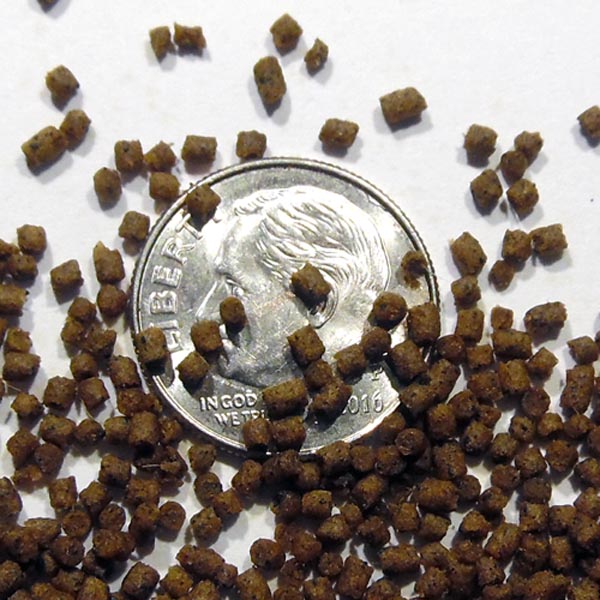
10% - Ash 12% See the image for an illustration of its size. Here is some customers’ feedback after using Phase 4 – Mini
Pellets with their fish: “My banjo cats go absolutely ballistic for your 04 pellets I
got in your 4 phase diet. They respond more intensely than wi...
This high quality, growth and maintenance formula is for medium
to large fish. It is not sold in stores. The nutrition profile is similar to
that of Phase 1 - 3 foods and is: Protein 48%- Fat 12% - Fiber 3% - Moisture
10% - Ash 12% See the image for an illustration of its size. Here is some customers’ feedback after using Phase 4 – Mini
Pellets with their fish: “My banjo cats go absolutely ballistic for your 04 pellets I
got in your 4 phase diet. They respond more intensely than wi...
This high quality, growth and maintenance formula is for medium
to large fish. It is not sold in stores. The nutrition profile is similar to
that of Phase 1 - 3 foods and is: Protein 48%- Fat 12% - Fiber 3% - Moisture
10% - Ash 12% See the image for an illustration of its size. Here is some customers’ feedback after using Phase 4 – Mini
Pellets with their fish: “My banjo cats go absolutely ballistic for your 04 pellets I
got in your 4 phase diet. They respond more intensely than wi...
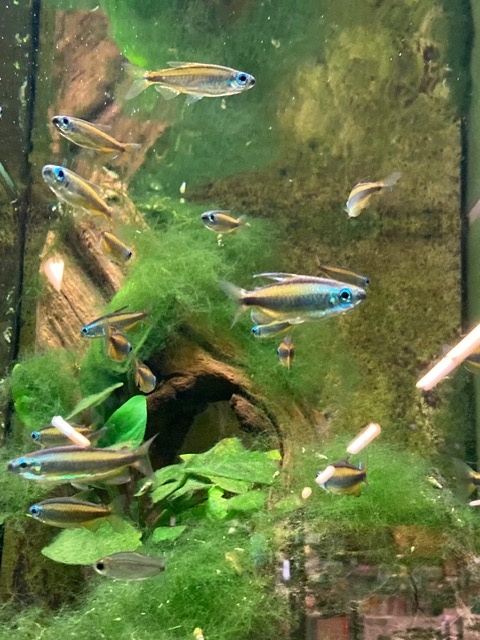
This is a listing for a group of 9 Lampeye Congo Tetras (Phenacogrammus aurantiacus).These little guys are a stunning African tetra that are rarer alternative to the beloved Congo Tetra. They are a bit larger-growing tetra, the biggest specimens topping out at around 2.5-3 inches; these guys I have now are about 2 inches so not quite full-grown but getting there. They’re currently being kept in my tap water which is a ph of 7.6, a temp of about 78 F, and a TDS of about 250. They’re happily e...
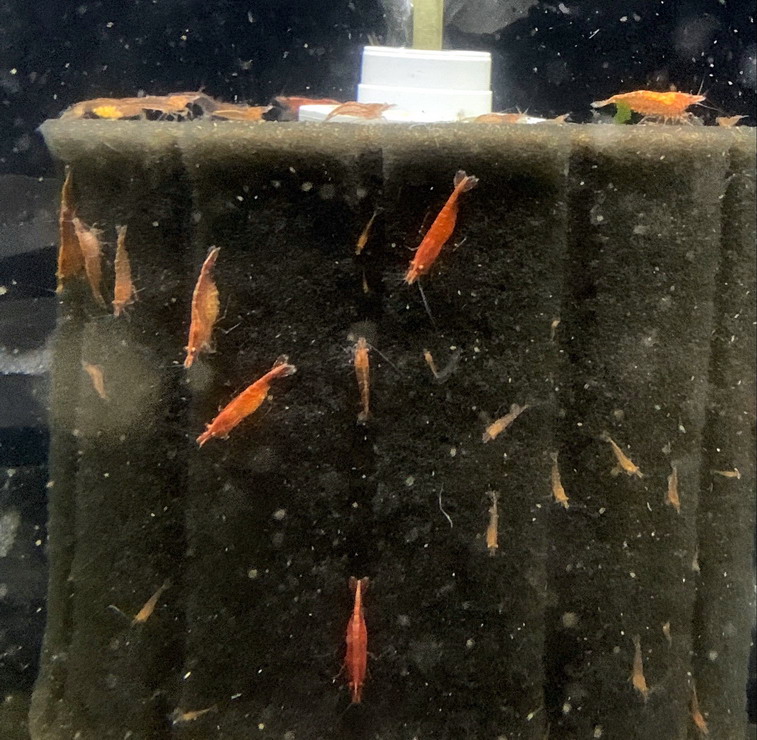
30 Red Cherry Shrimp for sale. Neocaridina are great shrimp for beginner, intermediate, and advanced hobbyists. All are very hardy and do well in a wide variety of tank conditions. Majority of the shrimp will be juvie size around 1/4"-1/2", but will also include some adults. These shrimp have been bred in the USA by me, and are not fresh imports. My "Cherry" colony is comprised of shrimp culled out of my Fire Red colony for not being solid red enough. Vast majority are more red t...
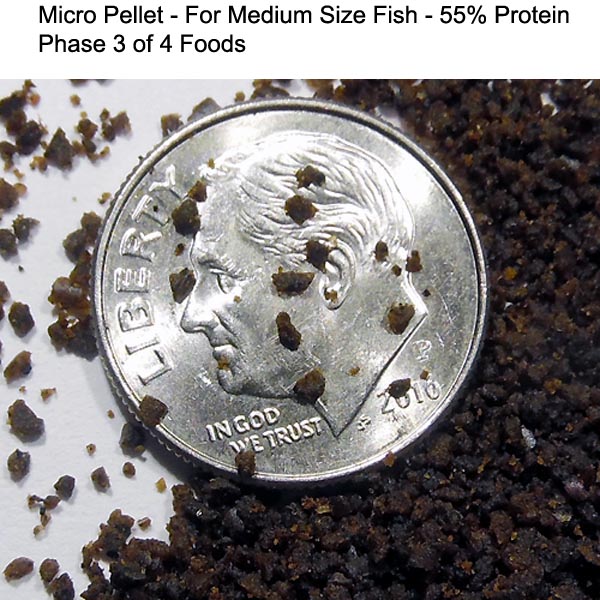
This high quality, growth formula has the same high protein
content as my best-selling Fry Crack and Grow Out foods and is sized for medium
and larger fish. It is not sold in stores. See the image for an illustration of
its size. The nutrition profile is the same as Fry Crack: Protein 55%
- Fat 16.4% - Fiber 1% - Moisture 10% - Ash 10.8% Here is some customers’ feedback after using Phase 3 – Micro
Pellet with their fish: “I just found a great fish food that lures my 1 pleco out of
...
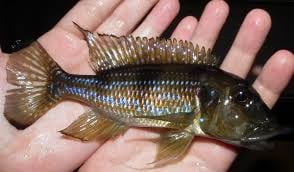
For Sale – Trio of Gnathochromis permaxillarisOffering a trio of wild Caught Gnathochromis permaxillaris — an excellent Tanganyikan cichlid for a dedicated African cichlid setup. They are very rare species in the hobby due to it being very difficult to collect in numbers,. Not only does it inhabit deep waters, but it is never found in large numbers, occurring only in small groups or rather solitary specimen.